 Expert eBooks Courses | Online-eBook-Download.com Latest digital books and courses, Tips & Tricks, How-to guides, free ebooks, software discounts, coupons & much MORE… Instant Download

Herbal medicine has been in use since at least the Paleolithic period. Archaeologists working in northern Iraq, for example, found a selection of plant pollen from mallow plants, grape hyacinth, ephedra, yarrow, groundsel, and knapweed – plants they believe were used 60,000 years ago by Neanderthals for medicinal purposes.
Much later, about 3,000-5,000 years ago, some of the first written records of herbal medicine emerged. These were created by Sumerians and carefully describe the names of 250 plants and 12 recipes for remedies; one example suggests aloe leaf can be used as a laxative.
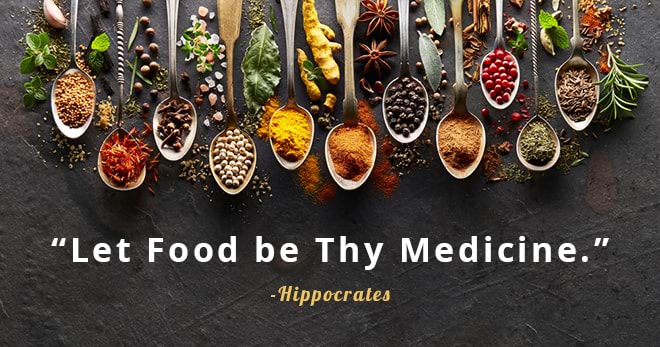
Two or three millennia later, Babylonian healers looked to plants such as cress, mint, cedar, and date palm to heal in conjunction with magic.
A Babylonian prescription for a facial injury explains: “If a man is sick with a blow on the cheek, pound together fir-turpentine, pine-turpentine, tamarisk, daisy, flour of Inninnu [barley]; mix in milk and beer in a small copper pan; spread on skin, bind on him, and he shall recover.”
The ancient Egyptians were also describing herbal medicine on their papyri. The Ebers Papyrus, which is one of the most important medical papyri from that culture, dates to 1550 BC and covers over 700 compounds, mostly from plants.
Seeds that have been linked to herbalism were found in Bronze Age sites from Shang Dynasty China (c. 1600-1046 BC). An early Chinese medical text called Huangdi Neijing dates to sometime between 221-206 BC and presents more than 100 of the 224 compounds as herbal.
The oldest Greek herbals (medical texts using plants) come from the fourth century BC. Only a few fragments of these works have survived intact, but they tend to overlap with contemporary Egyptian texts.
And today the World Health Organization estimates that 80 percent of the population of some Asian and African countries use herbal medicine in primary health care.
Ways to Administer Herbs
Drinking: Herbal teas, tisanes, are the most popular method that herbs have been administered for healing purposes. These include infusions (steeping an herb, such as mint or chamomile, in hot water to extract its properties) and decoctions (boiling a harder substance, such as roots or bark).
Tinctures are often stronger than tisanes and they include alcohol. To create a tincture, an herbalist may combine 100% pure ethanol, or a mixture of 100% ethanol and some water, with the herb.
Topical Application: Some essential oils, which contain the “essence” or aroma of a plant, are applied to the skin if they are diluted with a carrier oil, such as almond or olive oil. Salves, balms, creams, and lotions are also popular.
Often the medicinal herb will be soaked in a food grade oil for weeks or months to allow certain phytochemicals to be extracted into the oil.
Once this process is complete, the oil may be turned into a salve, cream, lotion, or simply used as-is. This is how many massage oils, antibacterial salves, and wound healing compounds are made.
Inhalation: the most common form appears as aromatherapy – an alternative medicine or complementary therapy which is said to improve psychological or physical well-being.
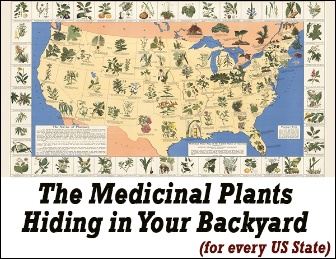
Herbalism Today
Herbalism, aka herbal medicine, has been overlooked or ignored by many formal healing institutions since the 20th century, however new research, such as work done by the Mayo Clinic, shows that some herbs are scientifically-sound remedies when used in the right way.
The training of herbalists caries around the world but often includes learning how to cultivate herbs (wildcrafting), diagnosis, preparation, and treatment with herbal medicine. Apprenticeship is popular amongst lay herbalists and traditional medicine people.
An Important Note: Mixing herbs and medications might not be a wise idea, so check with your doctor before you attempt to treat anything with herbs. The following list is meant for informational purposes only and should not be taken as medical advice.
GARLIC
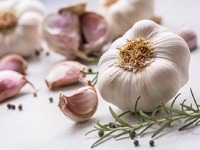 Garlic is native to Central Asia and north-eastern Iran and has been used as a seasoning in food and in medicine for thousands of years. It has been studied worldwide and it has been shown to have antifungal and antimicrobial properties.
Garlic is believed to be especially effective against yeast and fungi. There are also suggestions that it may hold antiviral, antibacterial, and anticancer properties and aid the cardiovascular system. When looking to take of these properties, some people chew one or two cloves of raw garlic a day and others crush it into their salads.
OREGANO
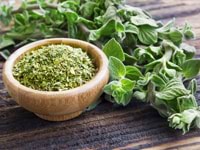 Oregano comes from temperate Western and Southwestern Eurasia and the Mediterranean region. The plant’s leaves are usually dried and ground for culinary purposes. This herb is believed to contain antioxidants and have anti-bacterial properties. Hippocrates used it as an antiseptic.
Oregano oil has been shown to have antimicrobial properties which may be used against respiratory tract disorders and urinary tract disorders. It has also been used topically to treat some skin conditions such as acne and dandruff.
MINT
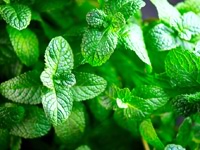 Mint is a worldwide plant. Although most mints are native to Europe and Asia, some are from North and South America, South Africa, and Australia. Most mint species have been shown to promote digestion and help soothe stomach discomfort.
This herb’s scent activates salivary glands in our mouths and glands which secrete digestive enzymes. It is a popular remedy for heartburn, indigestion, and nausea. People usually drink mint teas.
CHAMOMILE
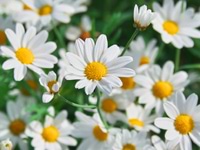 Chamomile is native to western Europe, India, and western Asia. This is another herb that is sought out for tummy troubles.
Chamomile teas have been used through the ages to help relieve heartburn, indigestion, and colic.
It is also a mild relaxant and sedative, so it is a popular drink to have before bed if someone has difficulty sleeping.
CAYENNE
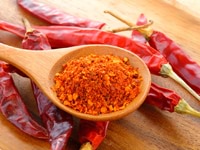 Christopher Columbus brought cayenne back to Europe from the New World and it soon became a popular culinary and medicinal spice there.
This spice has been used to relieve toothaches and alleviate pains.
Capsaicin is the ingredient which helps relieve pain and it sometimes appears in arthritic pain ointments.
GINGER
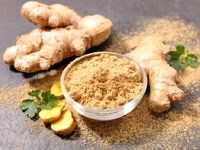 Ginger originally comes from the tropical forests of Southeast Asia. For over 3,000 years it has been used in herbal medicine. Powdered ginger has been used in treating arthritis, and ginger tea is good for head and chest congestion, but what this root is most popular for is curing stomach problems, especially nausea.
It’s considered anti-inflammatory, anti-nausea, and it may be anti-diabetic. There are some studies suggesting ginger may help prevent cancer and lower cholesterol levels.
PARSLEY
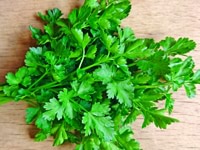 Parsley is native to the central Mediterranean region. It is widely used in different cuisines and is a popular garnish.
Some people also like to drink parsley tea as a diuretic.
Research shows that its flavonoids and antioxidants may help prevent cancer. The high percentage of Vitamin K in this herb may also help improve bone health.
NUTMEG
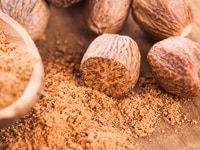 Nutmeg is from the Banda Islands in the Moluccas, one of the “Spice Islands.” Ancient Romans used nutmeg to fumigate their houses, but the Byzantines used it as a medicine. In the Middle Ages it was considered a magical spice that could comfort your nerves and stomach and stimulate circulation.
Today it is also a popular ingredient in some spice blends for Asian cuisine. Modern research has shown nutmeg contains antioxidants and has antibacterial and anti-inflammatory properties. Most people use small amounts of nutmeg while cooking sweet or savory dishes or sprinkle it over warm drinks.
CINNAMON
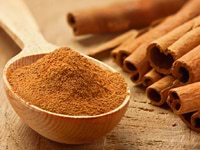 Cinnamon originally came from Ceylon (Sri Lanka). Cinnamon is referenced in the Bible and ancient Egyptian papyri. And the ancient Romans once considered cinnamon more precious than gold. It is a very popular spice in sweet dishes and also in spice blends for some savory dishes.
It is especially popular in Turkish and Persian cuisine. Studies show that Ceylon cinnamon can help control blood sugar levels, decrease cholesterol, lower blood pressure, improve memory, and acts as an antimicrobial.
TURMERIC
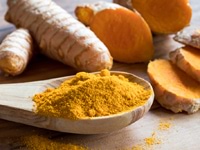 Turmeric comes from the Indian subcontinent and Southeast Asia. It has been used in traditional Chinese medicine and Ayurveda for thousands of years.
Turmeric is also a key ingredient in many savory foods and some sweet Asian dishes. The most popular food associated with turmeric is probably curry.
Curcumin is the main active ingredient in turmeric, and it has powerful anti-inflammatory effects and is also an antioxidant. Research has shown that turmeric may help in the treatment of depression, Alzheimer’s disease, and arthritis.
More than 300-pages with lots of colored pictures of our forefathers’ most powerful medicinal plants, weeds and trees in North America, with step-by-step instructions on how to turn them into powerful herbal remedies and natural cures.
DOWNLOAD THE LOST BOOK OF REMEDIESThis book will give you the best natural alternatives to every pill in your medicine cabinet. It will allow you to turn your backyard weeds into painkillers, antibiotics and many more forgotten but highly effective remedies. In times of crisis, this book will save many lives.